Access to AI is not the same as benefiting from it.
The same technology that disrupts one country leaves another untouched. The same diagnostic tool that saves sight in one health system fails where the clinics and referral pathways are missing. The variable is not the technology. It is national fluency: the deliberate, learnable capability of a country’s leadership and institutions to adopt, adapt, govern, and shape AI on their own terms.
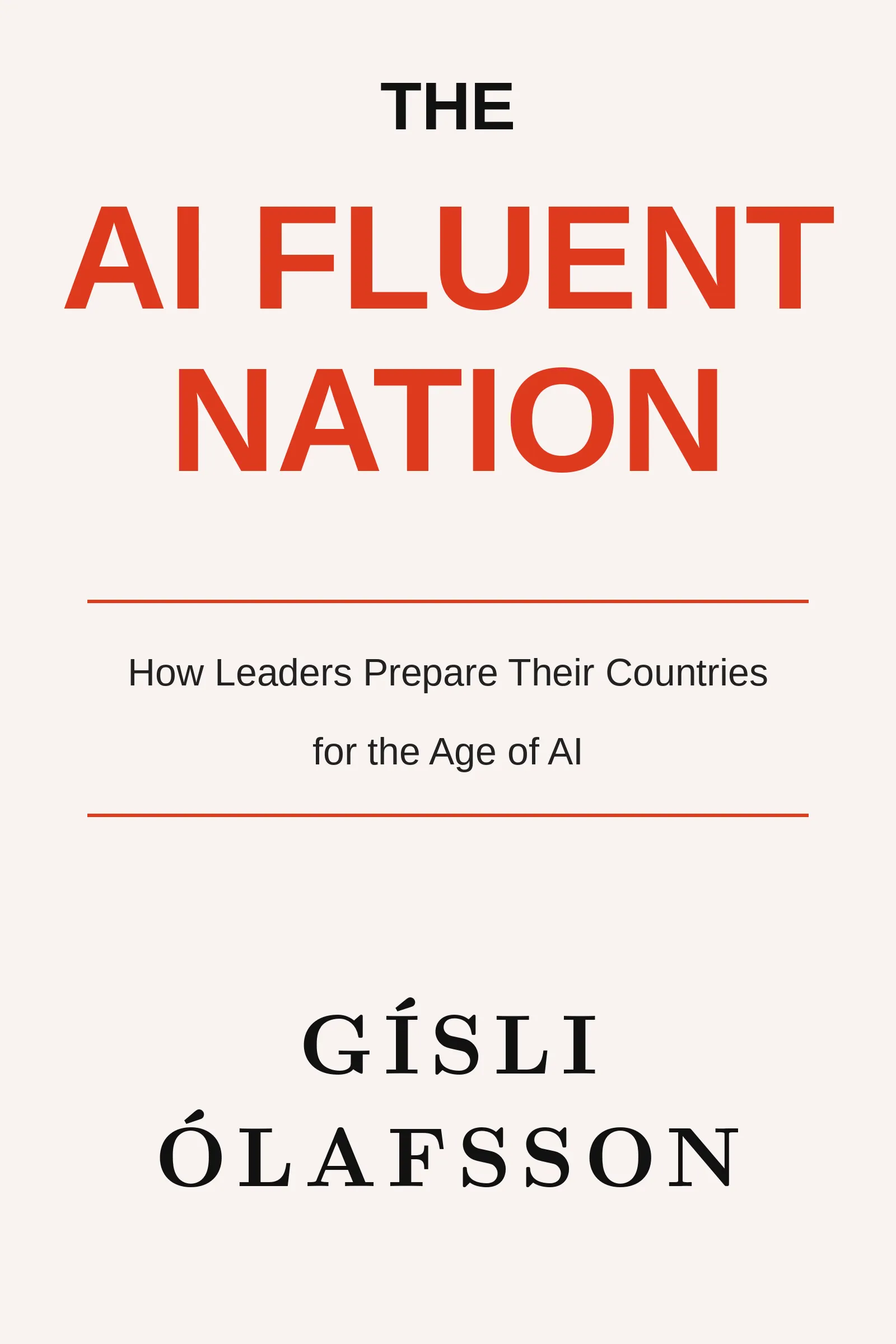
For the countries that will never build a frontier model
We work with ministers, permanent secretaries, national AI strategy teams, and regulators. Most of them serve countries that will never build a frontier model. They do not need to. They need to become fluent, because fluency, not access, is what separates the countries that benefit from those that are merely exposed.
Fluency is a capability rather than a possession, which means it can be learned, and what can be learned can be led. Leadership, not hardware, is the binding constraint. That is where our work begins.
The National AI Fluency Ladder
- Level 1AI AbsentNo strategy and no institutional owner. The technology arrives anyway, unguided.
- Level 2AI AwareA strategy on paper and promising pilots, with little diffusion beyond them.
- Level 3AI AdoptingAI deliberately at work on national problems, at a scale citizens encounter.
- Level 4AI AdaptingModels localized and tested on the country’s own terms, with governance that has held.
- Level 5AI ShapingInfluencing the terms on which AI develops, without building frontier models.
Position is rarely uniform. A country can be adapting in health and absent in justice, which is why the diagnostic reads the profile pillar by pillar rather than reducing a nation to a single number.
Seven pillars of national fluency
None of the seven requires wealth on the scale of the superpowers. All seven require sustained leadership attention, which is the scarcest resource in any government.
- 1Start with problems, not technologyA strategy anchored in the country’s own problems rather than in the technology.
- 2FoundationsCompute, data, and connectivity secured without mortgaging sovereignty.
- 3A nation that can use AIA population and public service able to put AI to work well.
- 4Teach the machines your languageLanguages taught to the machines rather than erased by them.
- 5The state as first adopterA government that adopts first and proves what trustworthy use looks like.
- 6Guardrails that build trustGovernance that builds the trust adoption travels on.
- 7The economy of the fluent nationAn economy structured so the gains are shared rather than captured.
How we work with governments
National fluency diagnostic
A facilitated working session that locates your country on the Fluency Ladder across the seven pillars, from strategy and foundations to language, governance, and the economy.
100-day strategy sprint
From diagnosis to a national AI strategy a cabinet can adopt, with a sequenced plan and clear ownership across ministries.
A minister’s first 100 days
Confidential counsel for a newly appointed minister or permanent secretary, from someone who has sat in parliament and understands accountability from the inside.
Agencies and public institutions
The full ATLAS assessment for individual ministries, agencies, and regulators, where citizen trust is the mandate.
Written from a small nation, on behalf of the many who must decide how to live with a technology built by two.
Discuss a national engagementNational AI fluency, answered
What is the National AI Fluency Ladder?
A five-level scale, from AI Absent to AI Shaping, set out in The AI Fluent Nation. It helps a leadership team locate where its country stands today and see what the next level asks of it. Position is usually uneven across sectors, so the diagnostic works pillar by pillar.
Does a country need to build its own AI models to lead?
No. The highest level of the ladder is defined so that it does not require building frontier models. Shaping means influencing the terms on which AI develops and enters a society, through evidence, talent, standards, and informed negotiation.
Who in government does Gridland work with?
Ministers, permanent secretaries, national AI strategy teams, digital and finance ministries, agencies, and regulators. Much of the work is with small and mid-sized countries that will never build a frontier model and do not need to.
Is the work confidential?
Yes. Advice to ministers and governments is confidential by default. Nothing is published or cited without explicit agreement.
Begin with a confidential conversation.
Advice to ministers and governments is confidential by default. The first conversation is about where your country stands and what the next level asks of it.